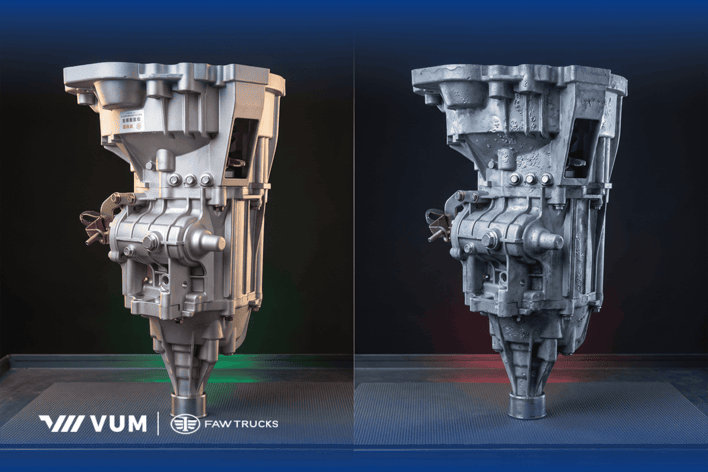
A genuine part is made to the manufacturer's own specification and usually comes with a warranty. An aftermarket part is made by a different manufacturer, often at a lower price. Both are widely available, but their quality control and production process differ — and that difference shows up directly in service life.
An aftermarket part's upfront cost can be lower, but faster wear means more frequent replacement. Over the long run, total cost can end up higher than buying genuine. For parts tied directly to safety, such as engine or brake components, reliability should matter more than price.
For frequently replaced parts that don't directly affect safety — filters, brake pads — a certified aftermarket option can sometimes be a reasonable choice. Either way, checking the part's origin and certification is worth doing; parts without documentation offer no quality guarantee.
Buying through an authorized dealer guarantees a genuine part and correct installation. This matters most during the warranty period, since using aftermarket parts can void it. Ongoing work with a dealer's service department also makes it easier to track part history and plan future maintenance.
Ichki havolalar: https://faw.uz/services, https://faw.uz/dealers
Taklif etiladigan mavzular: How to extend engine service life; Truck winter maintenance checklist