Talent for the Automotive Industry: How a Growing Industry Is Changing the Labour Market in Uzbekistan
The development of Uzbekistan’s automotive industry is not only about new factories and models, but also about the growing need for qualified personnel: from engineers and assembly workers to service and sales specialists.
Industrial Growth Requires New Competencies
Uzbekistan’s industrial policy in 2026 is moving from a simple assembly model to a more complex production system — with the task of mastering the production of hundreds of new components within the country. This, in turn, creates a multiplier effect: the growth of automotive production increases the workload on related industries — metallurgy, logistics, energy and the service sector.
From Assembly to an Engineering Culture
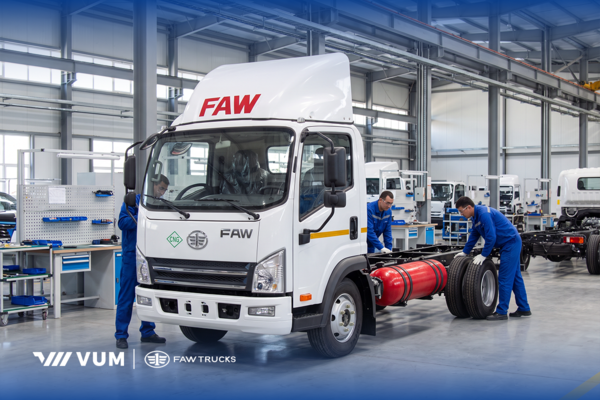
The transition to deeper localization of production means that factories need not only assembly workers, but also quality control specialists, technologists and engineers capable of working with modern equipment. This creates demand for professional education and training adapted to the requirements of specific production facilities.
Service as a Source of New Professions
The growth of the vehicle fleet on the country’s roads also increases the need for service specialists — from diagnostic technicians to specialists working with genuine spare parts. The wider the manufacturer’s dealer and service network, the more jobs are created not only at the factory itself, but also in the regions where dealers are present.
Long-Term Impact on the Economy
Jobs in the automotive industry are not only about the assembly shop. Each new production facility creates demand for related professions in logistics, sales, finance and service, making the development of the industry a significant factor for the local labour market as a whole.
Explore vacancies at VUM (FAW manufacturer in Uzbekistan): https://faw.uz/ru/jobs/
#FAW #JobsInUzbekistan #VUM #AutomotiveIndustry